
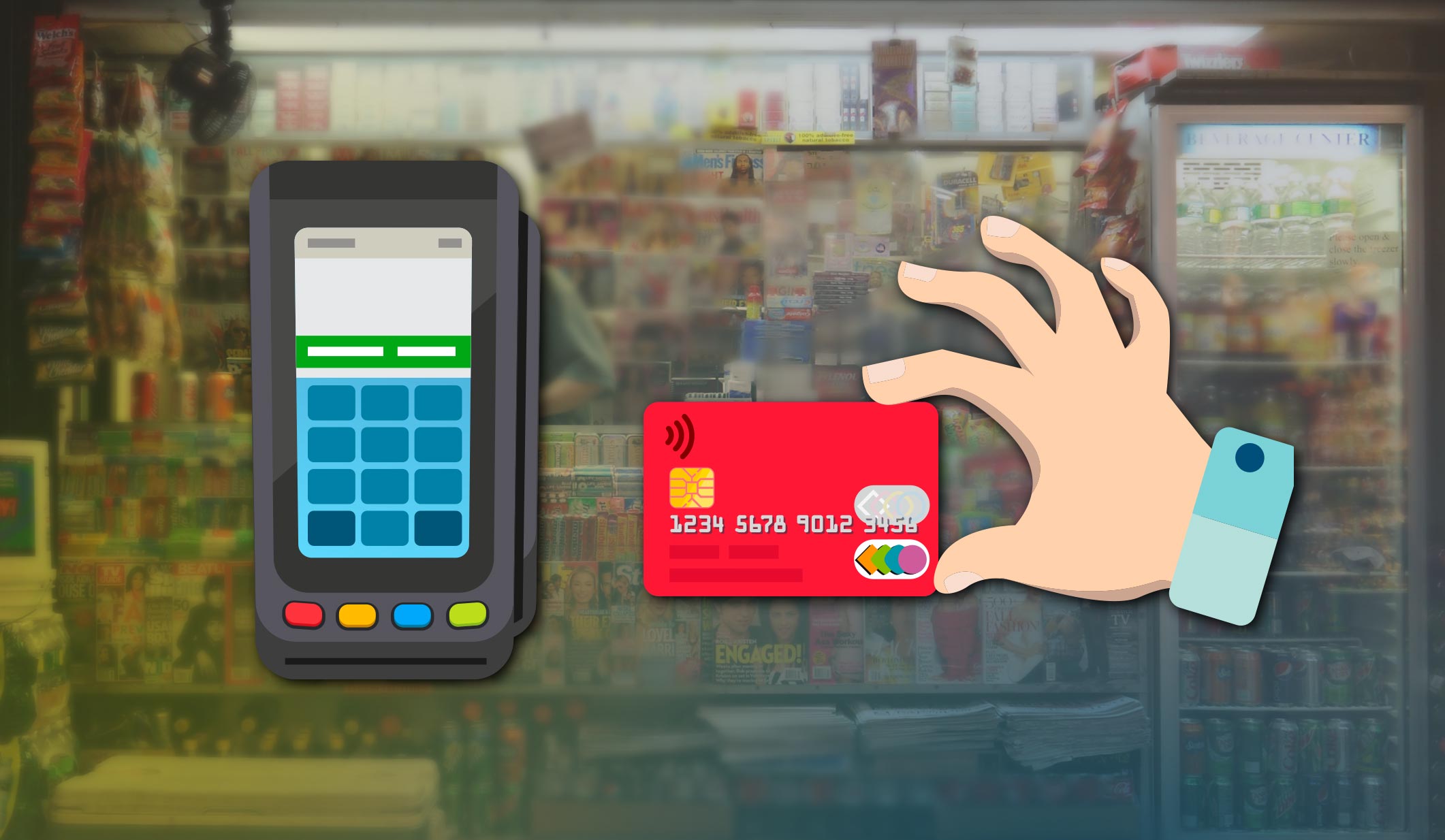
European countries like Denmark, Sweden and Netherlands are promoting the use of the electronic banking for daily payments and services, aimed at reducing the high costs of printing and transport of bills.
In Sweden, for example, the tithe can be paid to the church through a mobile transaction. Peddlers usually have wireless readers for credit cards to facilitate purchases and citizens pay their services of transport, housing, food and recreation by transfers and credit or debit cards.
Denmark is on the same path, a country where cash payments fell by 90% since 1990 and aspire to become the first country in the world with no cash in circulation. For that purpose, the government announced in May 2016 the elimination of payment with cash in stores of clothes, restaurants and gas stations, according to BBC.
A report of that company indicates that in Netherland it´s becoming very common that merchants reject cash payments, which is considered a tool from the last century and is disappearing because it limits the financial inclusion, promotes the tax evasion and the printing of bills is causing environmental damages.
In Latin America, Ecuador began in 2015 the program “Electronic Money System” in order to make banking accessible to all, which that year registered an exclusion of 60%. A platform was designed to open accounts through cell phones and this service can reach 100% of the Ecuadorian citizens. In that way, every adult can send a text message and open accounts that facilitate money withdraw or deposits in authorized points.
In Venezuela the access of citizens to bank services was increased from 50% in 2007 to 81% in 2015, according to the Ministry of Finance. This has made more popular the use of credit and debit cards in more than the 400.000 POS existing in the country.
The purpose is to extend the electronic payment, taking into account that in Venezuela 100% of the population has a phone line and Internet covers 61% of houses.
As an incentive to promote the use of the electronic banking, the national government announced the reduction of the Value-added Tax (IVA by its Spanish acronym) in 2%, for electronic payments with transfers and debit and credit cards.
With this initiative Venezuela is included in the list of countries like South Korea, Canada, Germany, USA, Australia, United Kingdom, Belgium, Uruguay and France, which promote the use of electronic money.
Source: Agencia Venezolana de Noticias
From: Payment Media
http://www.paymentmedia.com/news-2682-economiacuteas-sin-dinero-en-efectivo-se-hacen-cada-vez-maacutes-comunes-en-el-mundo.html
January 05th 2017